

Idiot's Delight
How ignorance morphed into evil -- and a sampling of the latest cultural coverage
Each week, Arts Fuse editor Bill Marx contributes a commentary and selects some of the magazine’s most provocative, vivid, or timely pieces to highlight. Content is added daily — go here to see what is new.
From The Editor’s Desk
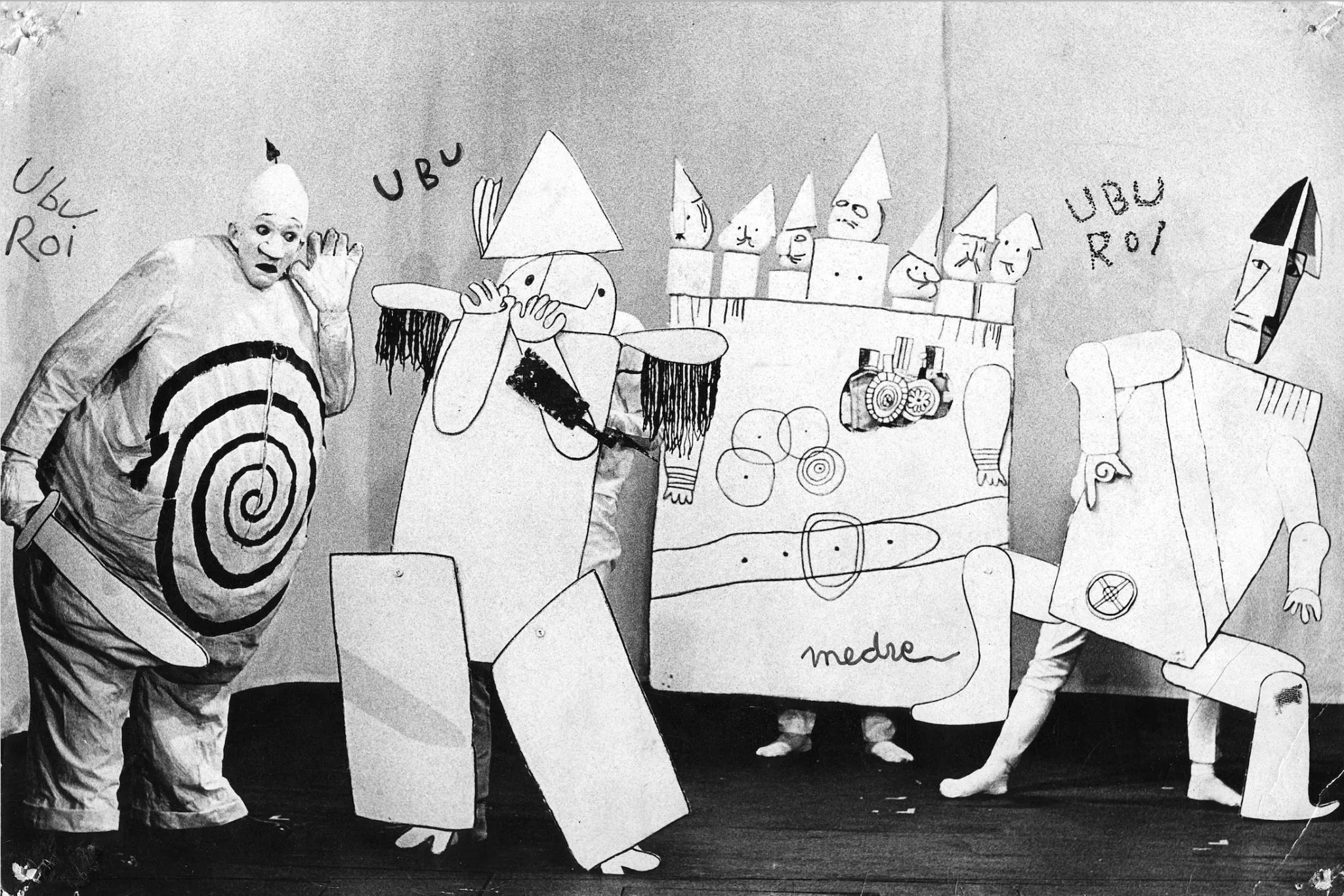
John Kelly, H.R. McMaster, Rex Tillerson, Gary Cohn, Reince Priebus, Steven Mnuchin, and Sam Nunberg are among those who have said Donald Trump is an idiot. But it is not the President alone; Trump’s virulent mindlessness has become normalized in international politics today. Where does the appeal of the unthinking come from? Leonhard Emmerling’s Idiots: The History of Homo Nullus (translated by Parnal Chirmuley) offers a fascinating history of the evolution of the idiot in the Western tradition, separating the figure from the buffoon, fool, madman, and jester.
Stretching from the Greeks and Paul in the New Testament to the punks and Andy Warhol, the book charts the historical transformations of a character who revels in nullification. For the Greeks, negation-gone-wild was a form of political critique. Cynics like Diogenes lived in a ceramic storage vessel because they were targeting social corruption. Saint Francis of Assisi renounced the delusions of the world for the sake of spiritual enlightenment. Over the centuries, the idiot remained an outsider, challenging our understanding of religious value as well as medical definitions of madness. Eventually, idiocy morphed into a more complex phenomenon—when was one playing at being an idiot, and when was one the real McCoy? Then, with the modern era, a purposeful lack of intelligence became a source of cultural clout: in contemporary art, radical purposelessness became a way, for some, to subvert the conventional. These gestures of nullity were often rewarded with fame and fortune.
It was only a matter of time before a dependence on pure intuition in the name of authenticity, along with a wholesale rejection of expertise, became political power. On the public scene today, according to Emmerling, the idiot “pursues his own interests, the provincial, small-minded know-it-all to whom education means nothing, but having an opinion means everything, and who, with his smartphone in front of his nose, blurts out his news masquerading as news into the digital world incessantly.”
I am proud to report that theater may have been the first to analyze the worship of inanity. For Emmerling, Alfred Jarry’s Ubu Roi presents a dramatic prototype of our current belief in the heroics of “idiocy.” His protagonist represents the ascendancy of grotesque, self-seeking nullity; he transforms ignorance and appetite into murderous public action. Jarry and his 1896 absurdist play were prophetic because they project, through zany comedy, how stupidity can be converted into a charismatic style that transcends exposure and scandal. Trump and his enablers are the descendants of Ubu Roi, “peddling their lack of aptitude, education, and expertise as a form of authenticity and authority.” One wishes Idiots was a funnier book about idiocy’s evolution — but it is about the transformation of ignorance into evil.
— Bill Marx, Editor
Latest Views & Reviews from the Fuse
Books
Blow by Blow: The Jeff Beck Story – Renaissance Guitar Man
By Ed Symkus
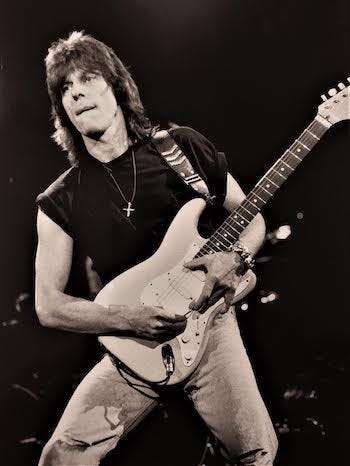
Jeff Beck is a bigger guitar hero than you realized.
Read the review
Theater
Playwright Interview: “A New Era,” Reconsidered
By Nicole Estvanik Taylor
Playwright Miranda Austen ADEkoje revisits an 1895 gathering of Black women activists, uncovering the tensions, ambitions, and humanity behind a historic coalition.
Read the review
Dance
The Akram Khan Company — Remembering, Selectively
By Debra Cash
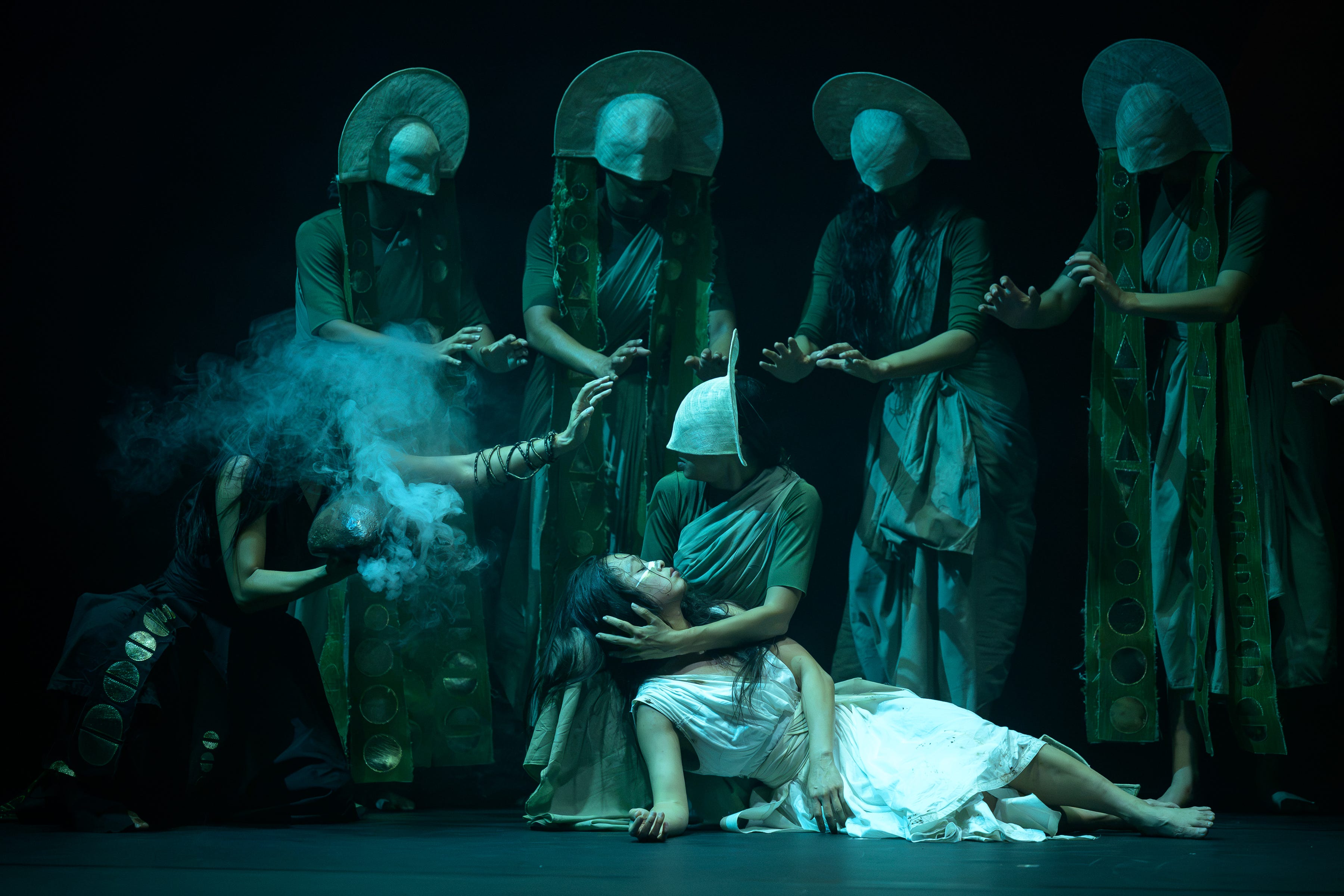
In Thikra: Night of Remembering, Akram Khan’s searing imagery of female ritual and sacrifice is shadowed by what the work chooses not to confront.
Read the review
Music
Daniel Donato on Bringing Cosmic Country to the Levitate Festival
By Robert Duguay
The rising Nashville artist on genre-blending, spiritual energy onstage, and a full-circle live album.
Read the interview
Theater
Harold Pinter’s “Betrayal” Finds Its Knife-Edge at Gloucester Stage
By David Greenham
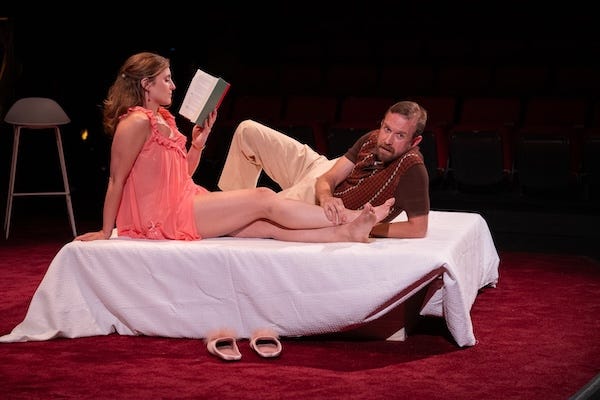
This crisp revival turns emotional recoil, backward chronology, and elegant restraint into a sharp study of infidelity.
Read the review
Film
Tribeca Film Festival, Part Two: Addicts on Chelsea (MA) Streets, Love and Death at Sea, and Micronations
By David D’Arcy
At this year’s festival, two dramas stood out among the narrative films—stark, street-level tales of addiction and a wintry queer love story turned murder mystery set on a Canadian ship.
Read the review
Music
Jazz Album Review: Guitarist Eric Hofbauer’s High Concept Yields Deep Rewards
By Jon Garelick

Eric Hofbauer and EHX turn a wide-ranging songbook into a cohesive, emotionally charged jazz narrative.
Read the review
Television
This Time Around, A Wilder Prairie
By Sarah Osman
Strong performances and sharper realism redefine Little House on the Prairie for a new generation.
Read the review
Short Fuse Podcast
Frederick Douglass — Our “North Star”
Guest host Jessica Khan talks to DJ and broadcaster Kwame Daniels about his immersive live musical performance, North Star.
Listen to the podcast
