

The Red Scare, Recycled
The AF Newsletter: Coming Attractions! and reviews of "Where's Boston 50 Years Later," "Mary Oliver: Saved by the Beauty of the World," two nights of Goose, TV's "Elle," and "Move Over, Mona Lisa."
More on the magazine: For David D’Arcy, the Tribeca Film Festival is usually best represented by its outliers; Jonathan Blumhofer on an album that uncovers surprising connections between George Gershwin and Vienna’s early 20th-century avant-garde; Alexis Greene on I’ve Got the Shakes, which pieces together a restless, collaborative portrait of a defining avant-garde visionary, Richard Foreman; Christopher Caggiano on “Trips,” which pairs classic Pilobolus works with new creations, reaffirming what has made the company one of dance’s most distinctive ensembles.
From The Editor's Desk
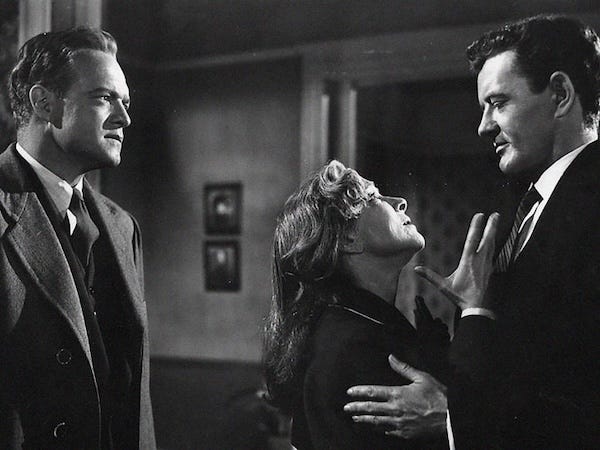
With President Donald Trump recently insisting that communism is “the biggest threat to our nation there is, maybe since our founding,” and arguing that it poses a greater danger to the republic than World War I, World War II, Pearl Harbor, or 9/11—perhaps even all combined—it may be time to revisit the “scoundrel times” of the 1950s, when the Red Scare made its initial cultural impact. I have been reading Philip Roth’s 1998 novel I Married a Communist and am enjoying it; he aptly describes McCarthyism as “the first postwar flowering of the American unthinking.”
In what ways might artists respond to this invitation to enter a new era of national “unthinking”? The 1972 script Are You Now or Have You Ever Been draws on material from Eric Bentley’s Thirty Years of Treason, which compiles the actual testimony of Hollywood figures before the House Un-American Activities Committee at the height of McCarthy-era paranoia. Among those compelled to answer the era’s infamous question—“Are you now or have you ever been a member of the Communist Party?”—were Arthur Miller, Jerome Robbins, Paul Robeson, Elia Kazan, Lillian Hellman, Abe Burrows, and Lionel Stander. A production of the script is running at New York City Center Stage through September 11. Bentley left playwright Bertolt Brecht out of his onstage lineup; a dramatization of Brecht’s bamboozling of HUAC can be found here.
Docudramas can be both enraging and instructive, but this moment may call for more direct satiric confrontation. To get the ball rolling, I would propose a movie or stage adaptation updating Leo McCarey’s infamous 1952 anti-communist melodrama My Son John. In the original, salt-of-the-earth parents come to suspect that their son, a government employee, is abetting the communist cause—a premise that earned the film an Academy Award nomination for Best Screenplay. What might a contemporary version look like? Perhaps conspiratorially minded MAGA parents begin to suspect that their son or daughter is entangled—whether truly or not—with commies. Or perhaps they think one of them has been lured into the clutches of antifa? And, in keeping with McCarey’s own insistence, the story should arrive at a happy ending
— Editor Bill Marx
Archive:
Coming Attractions through July 20 — What Will Light Your Fire
Compiled by Arts Fuse Editor
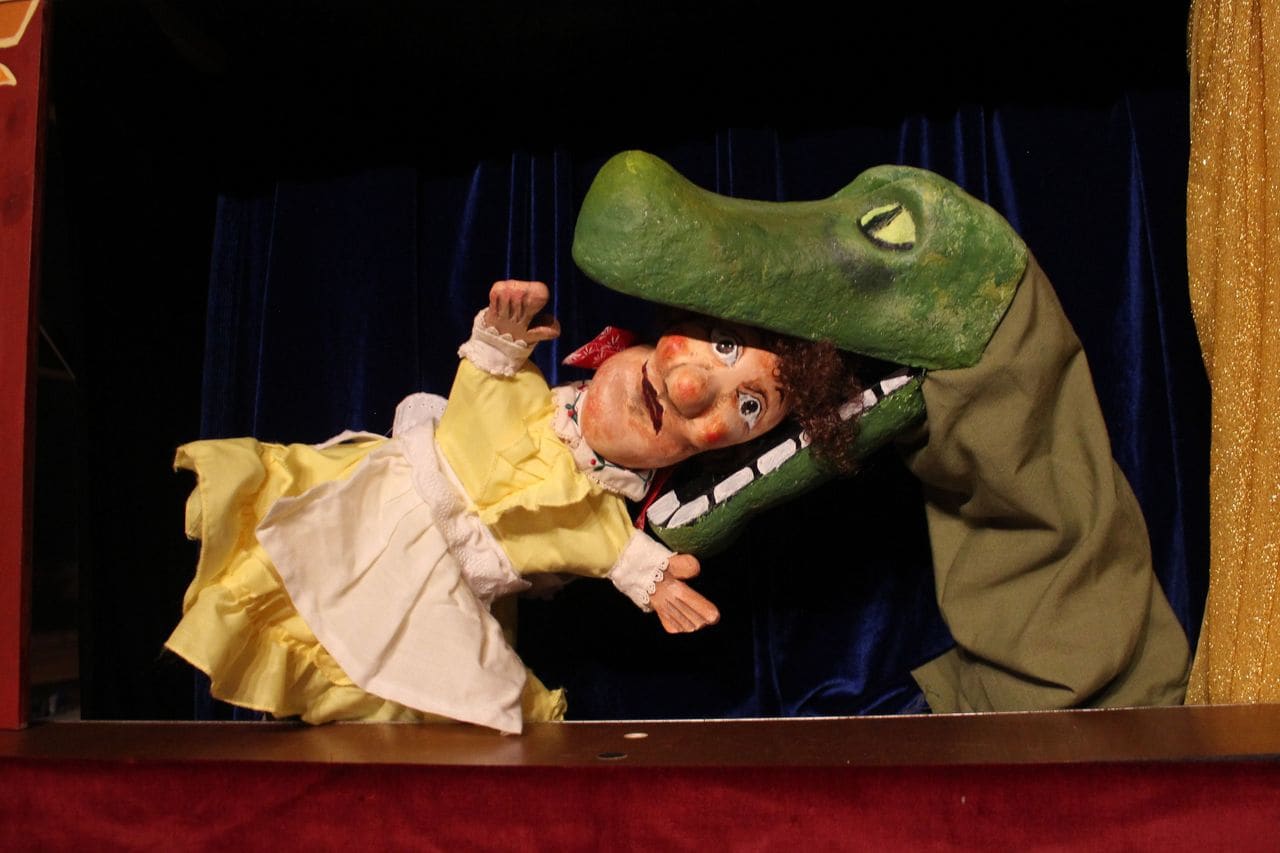
Our expert critics supply a guide to film, visual art, theater, author readings, television, and music. More offerings will be added as they come in.
Visual Arts Review: “Where’s Boston? 50 Years Later” — A City in Focus
By Lauren Kaufmann
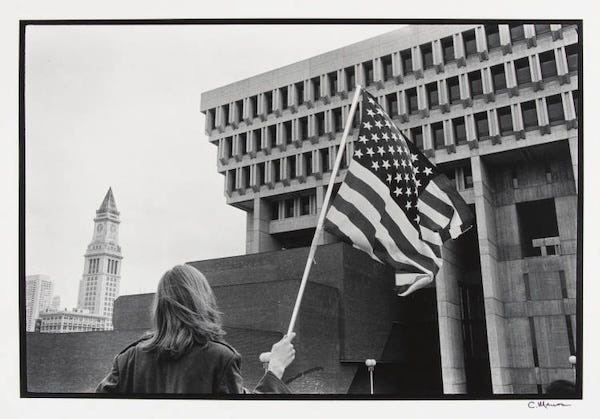
Constantine Manos’s bicentennial-era photographs capture a city divided, resilient, and still recognizable half a century later.
Film Review: Married to Amazement — “Mary Oliver: Saved by the Beauty of the World”
By Michael Londra

This documentary about poet Mary Oliver is a moving study of solitude, partnership, and the stubborn power of wonder.

Concert Review: Goose in Boston, Nights One and Two — Precision Jams, Pop Hooks, Chaos Controlled
By Scott McLennan and Paul Robicheau

Goose’s blitz at Leader Bank Pavilion on night one dovetailed improvisation with irresistibly catchy rock.
Television Review: “Elle” — No Bends, No Snaps, No Point?
By Sarah Osman

The Legally Blonde prequel Elle spotlights a charming Lexi Minetree, but struggles to justify its place in the Blonde-verse.
Dance Review: Ilya Vidrin’s “Proxies” — The Opposite of Avatar
By Debra Cash
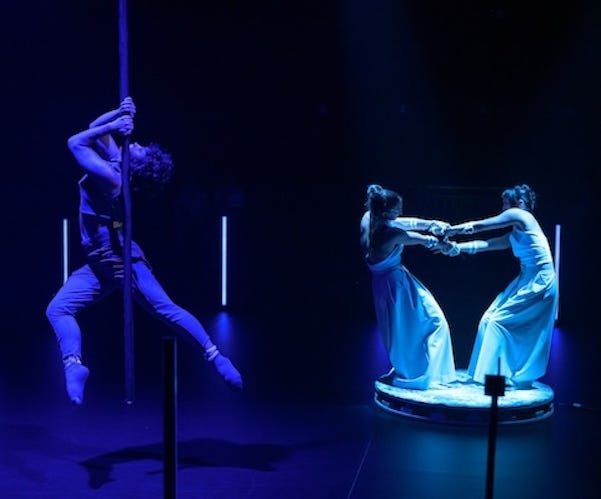
A sensor-driven dance work probes embodiment, data, and the limits of technological intimacy.

Book Review: Beyond the Canon — How Cultural Authority Is Made
By Julie Trébault
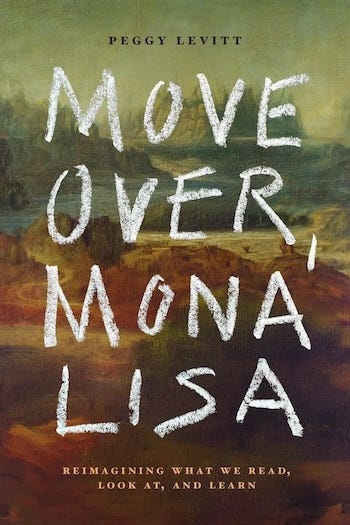
Move Over, Mona Lisa maps the “inequality pipeline” linking museums, publishing, and academia—and challenges the systems that shape what the world sees and reads.
Help Keep The Arts Fuse Lit!
Precious few independent online arts publications make it to double digits. Please give us the resources the magazine needs to persevere at an essential cultural task.
Keep the Fuse lit and support our 70+ writers by making a donation.
The magazine is published by a 501(c)(3) nonprofit organization dedicated to cultural/educational/literary enrichment. EIN: 27-0924769
The Arts Fuse also needs underwriting for the magazine to continue to grow.
And…tell your friends about the in-depth arts coverage you can’t get anywhere else.
Questions, comments, concerns?
Editor-in-Chief
Bill Marx
wmarx103@gmail.com

thanks -- I really liked the picture, which is why I displayed it in the newsletter ...
Admire your excellent caption for the photo of a crocodile eating a puppet: "Judy at a low point during her quest for liberation."